Rear brake systems with self-adjusting mechanisms are designed to maintain proper shoe-to-drum clearance as friction material wears. When these systems function correctly, drivers rarely notice them working. When they fail, however, the consequences range from extended stopping distances to uneven braking and accelerated component damage. At radiolariax, brake inspections always include adjuster evaluation because this often-overlooked component directly affects safety.
How Self-Adjusting Mechanisms Function
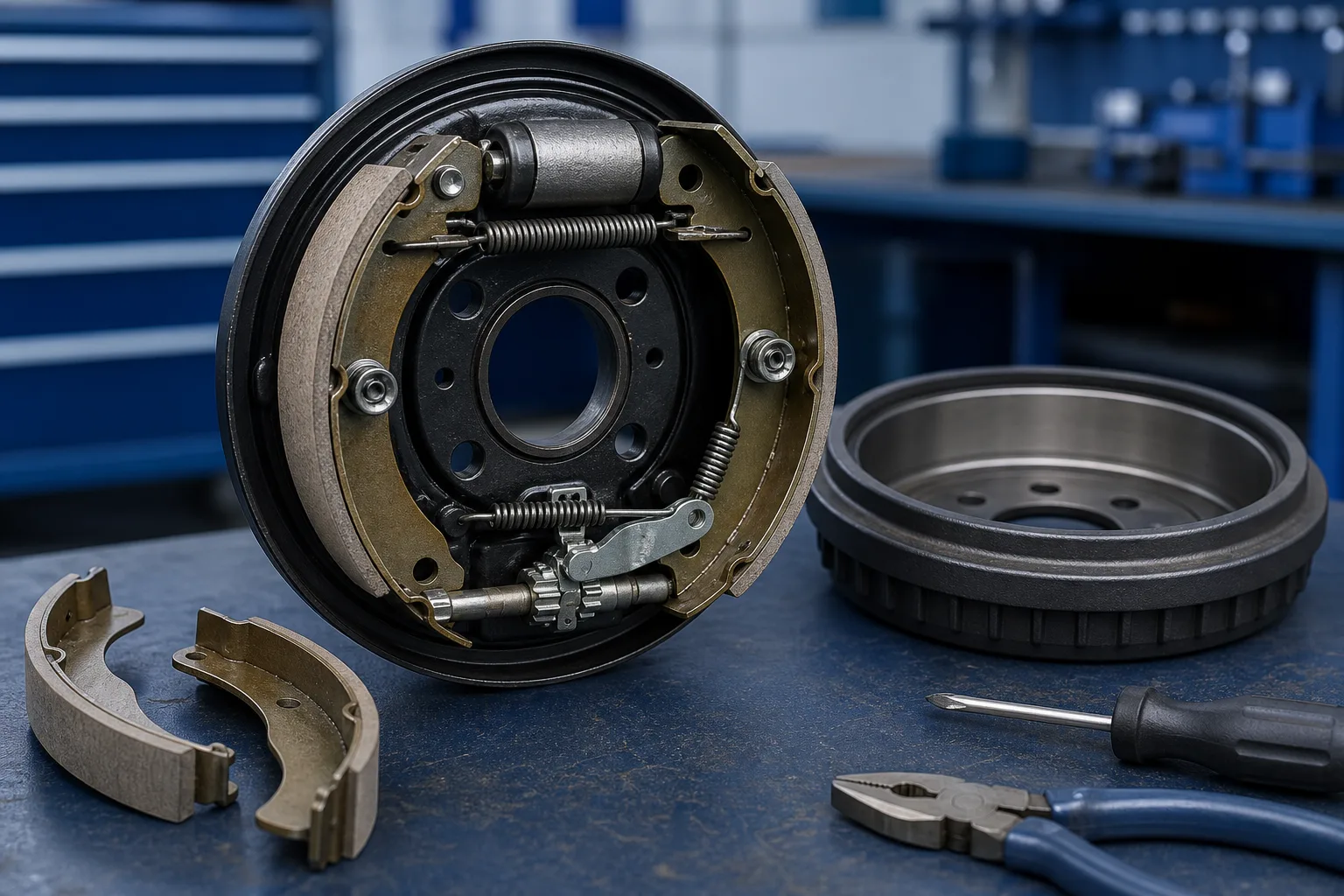
Most self-adjusting rear drum brake systems use a star wheel adjuster linked to a lever that activates during application or release of the parking brake, or when the vehicle reverses and applies the service brakes. Each activation advances the adjuster slightly, compensating for shoe lining wear and keeping the pedal feel consistent over time.
Disc rear brakes with integrated drum parking brake mechanisms use a similar principle: an internal adjuster within the caliper or drum hat maintains parking brake effectiveness as pads wear. Understanding which configuration your vehicle uses determines the correct inspection and service procedure.
Drum vs Disc Rear Configurations
Traditional drum rear brakes remain common on trucks, vans, and older passenger vehicles. The entire self-adjusting assembly lives inside the drum, exposed to heat, moisture, and brake dust. Rear disc systems with drum-in-hat parking brakes combine the benefits of disc service braking with a compact drum mechanism for the parking function — both require adjuster attention, but access methods differ significantly.
Some modern vehicles use electronic parking brakes that eliminate mechanical adjusters entirely, but millions of vehicles on Las Vegas roads still rely on mechanical self-adjusting systems that need periodic verification.
Signs That Adjusters Are Not Working
A sinking brake pedal that requires pumping to achieve firm pressure often indicates excessive shoe-to-drum clearance caused by a seized or broken adjuster. The parking brake may require more lever travel than usual, or it may not hold the vehicle on a moderate incline. During road testing, a vehicle that pulls to one side under moderate braking may have one rear brake doing more work than the other due to uneven adjustment.
- Grinding or scraping from the rear during light braking suggests shoes contacting the drum with insufficient clearance control.
- Visible rust streaking on drum exterior may indicate moisture intrusion affecting internal adjuster components.
- Clicking sounds during reverse braking can indicate an adjuster lever skipping or failing to engage.
- Rear wheels that feel excessively hot after normal driving may signal dragging caused by over-adjustment or stuck components.
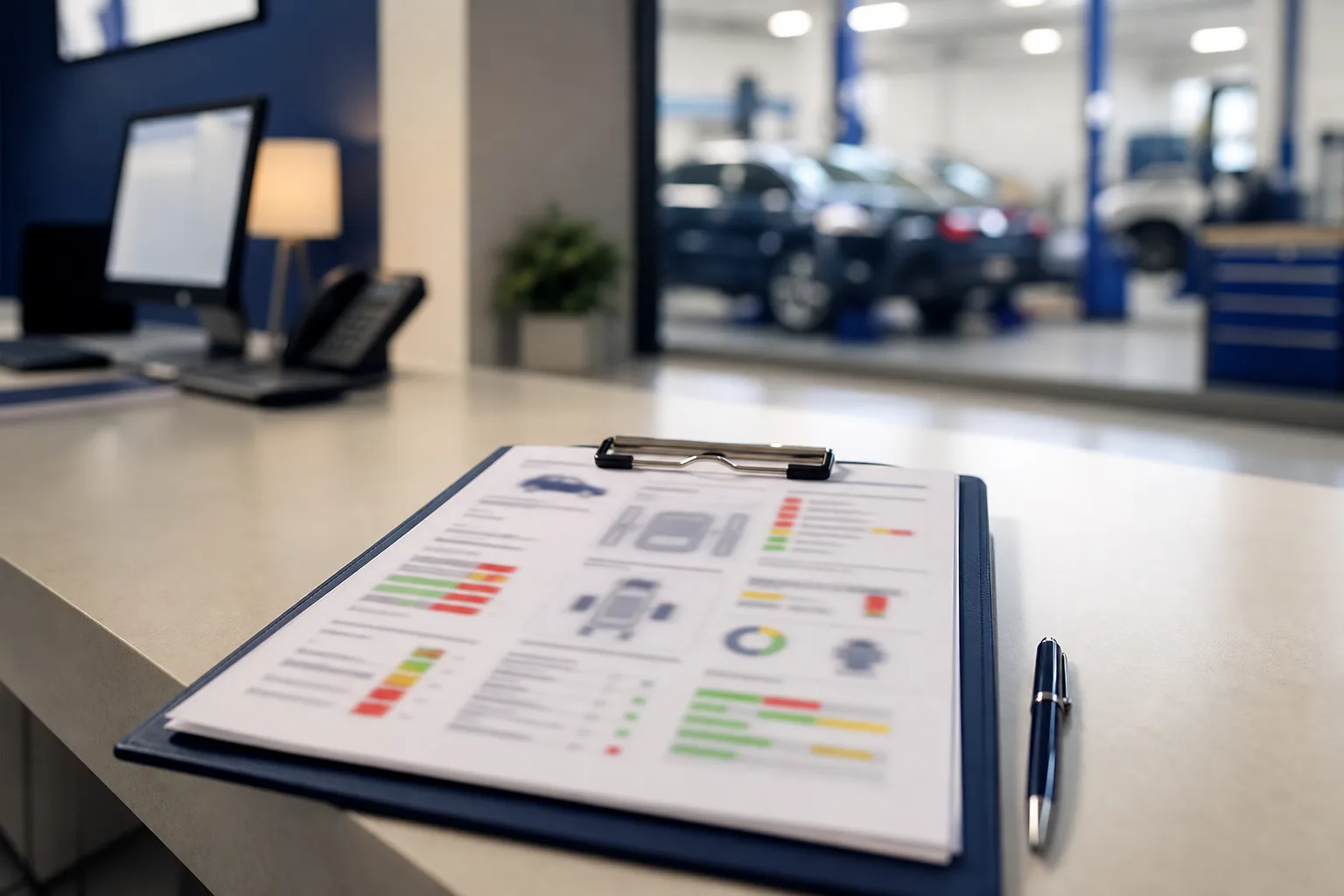
Professional Inspection Checklist
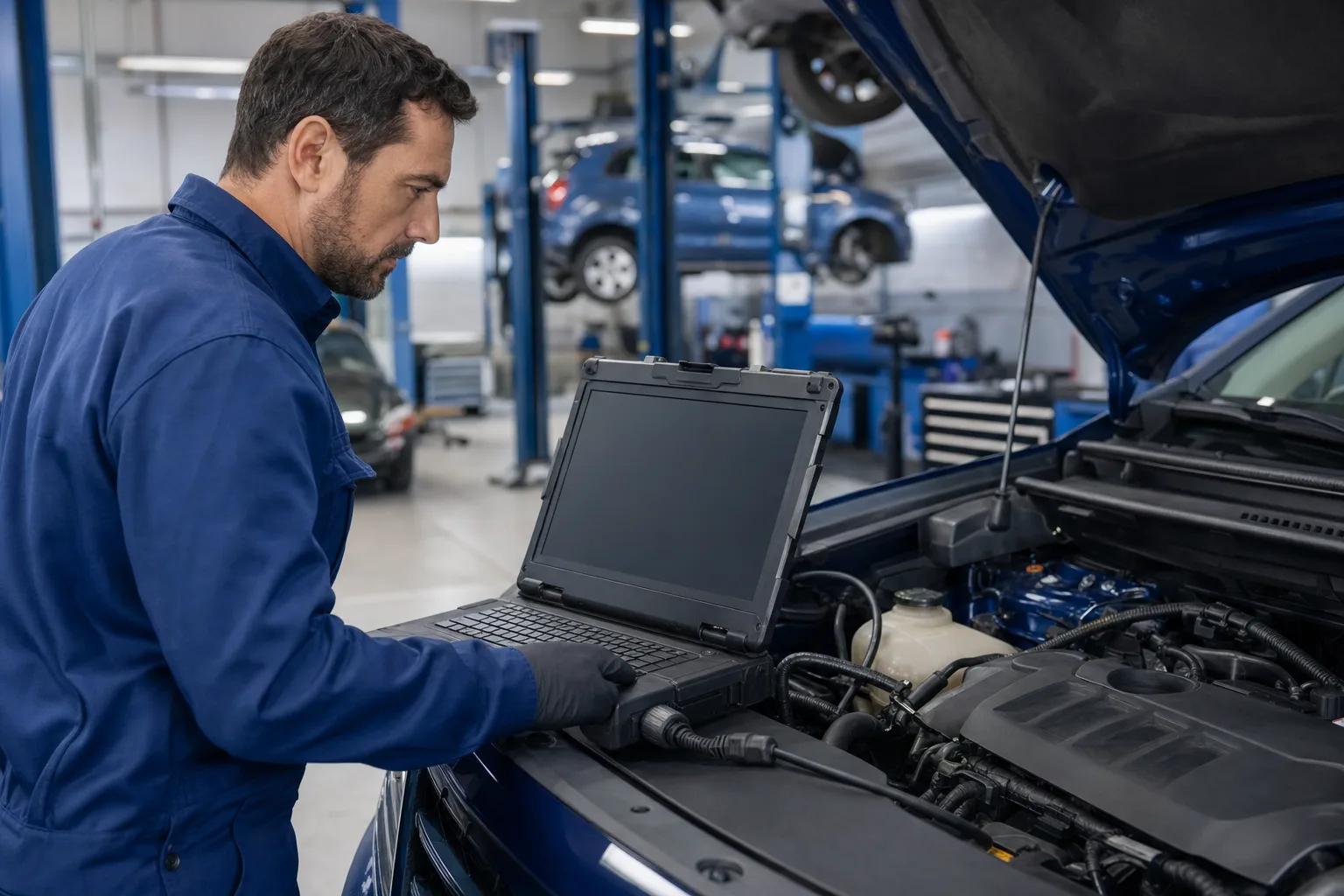
During a rear brake service at radiolariax, our technicians remove drums or calipers to access the full adjuster assembly. We check lever spring tension, star wheel thread condition, and adjuster cable routing on linkage-type systems. Corroded or stripped threads are cleaned or replaced depending on severity. We measure shoe lining thickness, drum diameter wear limits, and hardware condition before reassembly.
After mechanical adjustment and component replacement as needed, we verify parking brake hold strength and perform a road test to confirm balanced rear braking contribution. Brake fluid condition and front brake state are reviewed simultaneously because the entire system works as an integrated unit.
Safety Implications of Deferred Service
Brakes are a primary safety system, and rear brake underperformance shifts excessive load to the front axle. This accelerates front pad wear, increases stopping distances, and reduces stability during emergency maneuvers. A failed adjuster can also allow shoes to contact the drum continuously, generating heat that damages wheel bearings, seals, and adjacent components.
We recommend rear brake inspection at every tire rotation or at minimum annually for vehicles with drum rear brakes. If you notice any of the symptoms described above, do not delay service. Contact our team to schedule a brake system evaluation.
Not sure about your rear brake condition?
Book a Brake Inspection