Turbocharged engines depend on a steady supply of clean, dense air to maintain boost pressure and protect compressor components. The air filter housing and its internal cassette form the first line of defense against debris, yet they are often overlooked until performance drops noticeably. At radiolariax, we frequently find that targeted housing repair and cassette service restore full airflow without the cost and downtime of replacing entire turbo intake assemblies.
How Turbo Air Intake Systems Work
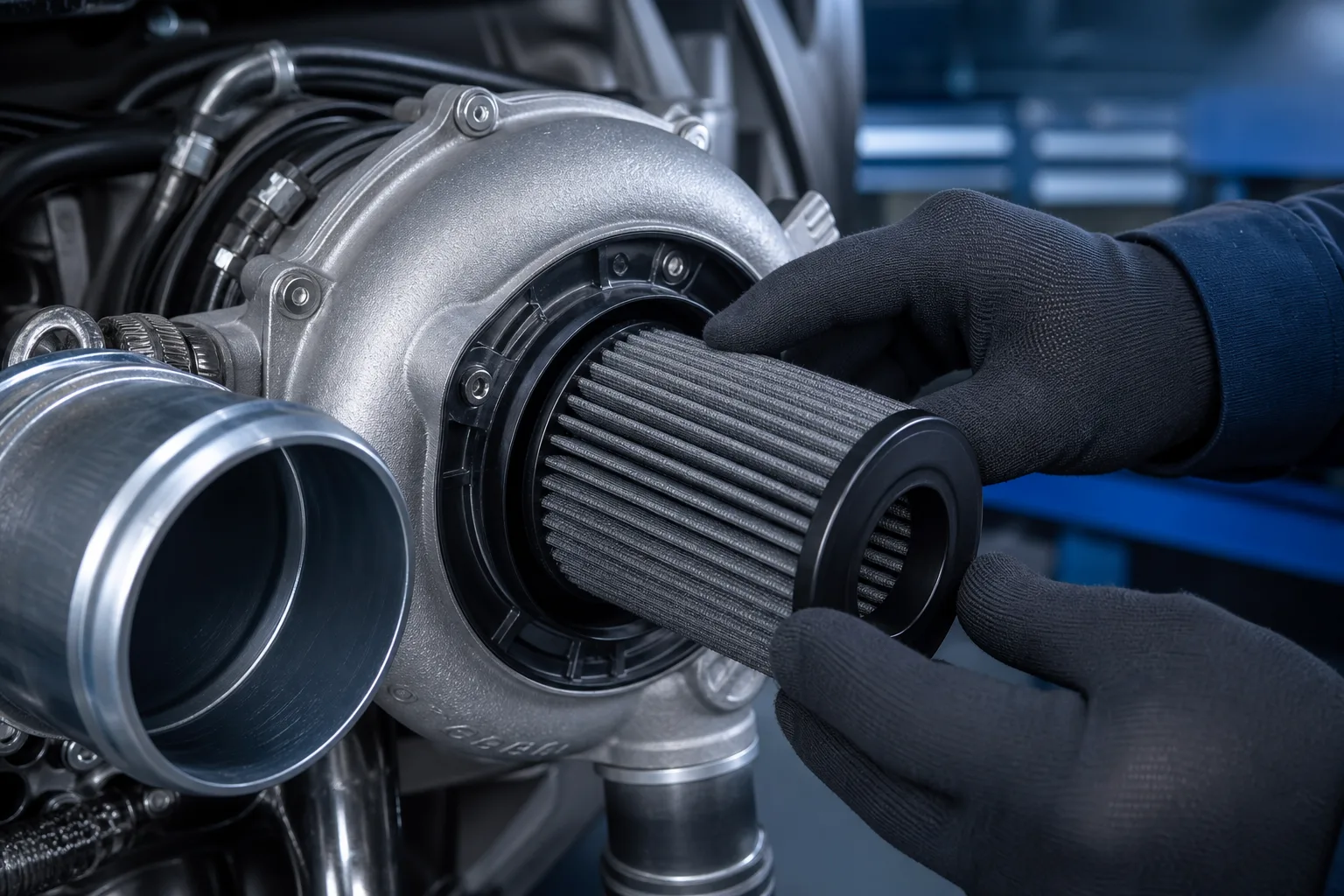
Air enters through the filter housing, passes through a pleated or foam cassette element, and travels via ducting to the turbocharger compressor inlet. The housing must maintain an airtight seal at every connection point. Even a hairline crack in the plastic housing or a warped lid gasket allows unmetered air and dust to bypass the filter element, accelerating wear on turbo bearings and intercooler surfaces.
Many modern vehicles integrate the mass airflow sensor into the housing assembly, which means a compromised seal affects both filtration and fuel metering accuracy. Understanding this dual role helps explain why housing integrity matters as much as filter element condition.
Early Warning Signs of Housing Damage
Turbo air system problems develop gradually. Drivers may notice a slight reduction in acceleration, increased turbo spool time, or a whistling sound near the intake during boost events. Visual inspection often reveals hairline fractures along mounting tabs, heat-related warping near the turbo connection, or oil mist staining that indicates PCV system interaction with the intake tract.
- Discolored or collapsed filter cassettes indicate restricted airflow and overdue service.
- Loose or missing housing clips allow vibration-related leaks at highway speeds.
- Sand and dust accumulation inside the housing downstream of the filter signals seal failure.
- Check engine light with lean fuel trim codes may trace back to unmetered intake air.
When Repair Outperforms Full Replacement
Complete turbo intake assembly replacement makes sense when the housing is structurally compromised — multiple fracture points, melted sections from heat exposure, or damaged sensor mounting bosses. However, many cases involve localized damage: a cracked lower shell, a failed lid seal, or worn cassette rails that no longer hold the filter element securely.
Our technicians evaluate whether OEM-spec repair kits, housing section replacements, or professional plastic welding can restore structural integrity. When the housing body remains sound and only the cassette or sealing surfaces need attention, repair typically delivers the same airflow performance at a fraction of the replacement cost. We document the housing condition with photos so you can see exactly why we recommend repair over replacement.
Cassette Service Intervals and Best Practices
Filter cassettes in turbo applications face higher airflow volumes and temperature cycling than naturally aspirated engines. Dust conditions in desert environments like Las Vegas accelerate cassette loading, making interval adjustments important. We generally recommend inspection every 12,000 to 15,000 miles and replacement when restriction exceeds manufacturer tolerance, even if the element appears visually acceptable.
During cassette service, we clean the housing interior, verify clip and latch function, and test the seal with a smoke probe when symptoms suggest leakage. Pairing cassette replacement with housing seal renewal prevents the common scenario where a new filter is installed into a leaking enclosure.
Performance Impact of Restricted Airflow
A restricted or leaking intake system forces the turbocharger to work harder for the same boost target. Compressor outlet temperatures rise, intercooler efficiency drops, and the engine control module may reduce boost to protect components. Over time, chronic restriction contributes to turbo bearing wear and carbon buildup on intake valves in direct-injection engines.
Proactive housing and cassette maintenance preserves the power and efficiency your engine was designed to deliver. If you drive a turbocharged vehicle and have not had your intake housing inspected recently, schedule a service visit with our team for a thorough evaluation.
Concerned about your turbo intake system?
Request an Intake Inspection